Then, what is dengue encephalitis?
Dengue encephalitis is rare and occurs as a result of direct infection of the neurons by the dengue virus. Dengue encephalitis is thought to be benign, but can be fatal at times.
Additionally, does dengue affect brain? The Dengue virus infection of the CNS has been confirmed by the detection of viral antigens and DENV RNA in brain tissue and cerebrospinal fluid (CSF) samples. The entry of the virus into the brain seems to occur through infiltrates of infected macrophages 10.
Beside this, how does dengue cause encephalopathy?
Dengue encephalopathy is usually secondary to multisystem derangement like shock, hepatitis, coagulopathy, and concurrent bacterial infection. [1] Dengue encephalitis is a different entity, which occurs due to direct neuronal infiltration by the dengue virus.
Can dengue cause neurological problems?
The neurological complication in dengue infection has been hypothesized through three pathogenic mechanisms: (1) concerned with neurotropism leading to encephalitis, meningitis, myositis and myelitis, (2) systemic complications resulting in encephalopathy, stroke and hypokalemic paralysis and (3) postinfectious immune-
Related Question Answers
How is dengue encephalitis diagnosed?
The criteria for dengue encephalitis are: i) fever; ii) acute signs of cerebral involvement; iii) presence of anti-dengue IgM antibodies or dengue genomic material in the serum and/or cerebrospinal fluid; iv) exclusion of other causes of viral encephalitis and encephalopathy[9].What are the side effects after dengue fever?
Well, here are the four long-term impacts of dengue fever:- Hair fall. Hair loss is a problem that is more or less seen in many people who have been affected from dengue fever.
- Joint and muscle pain. This problem prevails when you are dealing with dengue and at times even after recovery.
- Deficiencies.
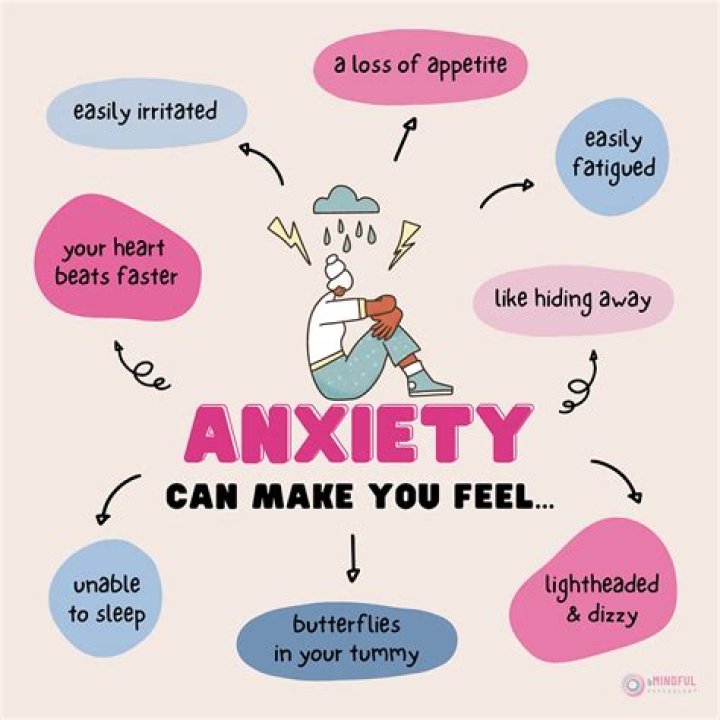
- Anxiety and depression.
What are the complications of dengue?
Complications from dengue hemorrhagic fever- seizures.
- brain damage.
- blood clots.
- damage to the liver and lungs.
- heart damage.
- shock.
- death.
Is encephalopathy swelling of the brain?
In encephalitis, the brain itself is swollen or inflamed. Encephalopathy, on the other hand, refers to the mental state that can happen because of several types of health problems. But encephalitis can cause encephalopathy.What is encephalitis?
What is encephalitis? Encephalitis is inflammation of the active tissues of the brain caused by an infection or an autoimmune response. The inflammation causes the brain to swell, which can lead to headache, stiff neck, sensitivity to light, mental confusion and seizures.What is hemorrhagic dengue?
Dengue hemorrhagic fever (DHF): A syndrome due to the dengue virus that tends to affect children under 10, causing abdominal pain, hemorrhage (bleeding) and circulatory collapse (shock).Can dengue cause bleeding in brain?
hemorrhagic fever, dengue virus, human brain. Dengue fever is an infection caused by arboviruses worldwide. Neurological complications of dengue virus infection can lead to intracerebral hemorrhage, cerebral edema, hyponatremia, cerebral anoxia, microcapillary hemorrhage and liver failure.What are the effects of dengue on the human body?
Severe dengue happens when your blood vessels become damaged and leaky. And the number of clot-forming cells (platelets) in your bloodstream drops. This can lead to shock, internal bleeding, organ failure and even death. Warning signs of severe dengue fever — which is a life-threatening emergency — can develop quickly.Can dengue cause strokes?
Dengue fever was associated with an increased risk of stroke in the first few months after diagnosis. The effect of dengue on stroke may be acute rather than chronic.What causes brain fever?
What is encephalitis? Encephalitis is an inflammation of the brain, generally caused due to a viral infection. Also commonly known as 'brain fever' or 'chamki bukhar', it is characterised by flu-like symptoms such as headache, dizziness, and joint pain.What are the warning signs of dengue?
Warning Signs*- Abdominal pain or tenderness.
- Persistent vomiting.
- Clinical fluid accumulation.
- Mucosal bleed.
- Lethargy or restlessness.
- Liver enlargement > 2 cm.
- Laboratory finding of increasing HCT concurrent with rapid decrease in platelet count.