Regarding this, does a blood clot form a lump?
Surface clots typically appear as hard, tender, red lumps on the leg. Discounting this as a harmless inflammation is dangerous, because 10 percent of these superficial clots are associated with a more dangerous deep vein thrombosis. On their own, deep vein clots typically cause deep leg pain and sudden swelling.
Also, can blood clots be felt under the skin? If the blood flow to one of your veins is slowed because of a clot, you might have: Red, swollen, and irritated skin around the affected area. Pain or tenderness that gets worse when you put pressure on the affected area. A swollen vein that feels like a tough "cord" under your skin.
Besides, does a blood clot feel hard or soft?
Pain and swelling develop rapidly in the area of inflammation. The skin over the vein becomes red, and the area feels warm and is very tender. Because blood in the vein is clotted, the vein feels like a hard cord under the skin, not soft like a normal or varicose vein. The vein may feel hard along its entire length.
What are the signs of a blood clot?
Symptoms of a blood clot include:
- throbbing or cramping pain, swelling, redness and warmth in a leg or arm.
- sudden breathlessness, sharp chest pain (may be worse when you breathe in) and a cough or coughing up blood.
Related Question Answers
Can u feel blood clots?
Trouble breathing.You may also get a bad cough, and might even cough up blood. You may get pain in your chest or feel dizzy. Call 911 to get medical help right away. Lower leg cramp: If the clot is in your calf or lower leg, you may feel like you have a cramp or charley horse.
How long can a blood clot go undetected?
A DVT or pulmonary embolism can take weeks or months to totally dissolve. Even a surface clot, which is a very minor issue, can take weeks to go away. If you have a DVT or pulmonary embolism, you typically get more and more relief as the clot gets smaller.Will a blood clot go away on its own?
Blood clots do go away on their own, as the body naturally breaks down and absorbs the clot over weeks to months. Depending on the location of the blood clot, it can be dangerous and you may need treatment.Is a hematoma a blood clot?
A hematoma is the result of a traumatic injury to your skin or the tissues underneath your skin. When blood vessels under your skin are damaged and leak, the blood pools and results in a bruise. A hematoma forms as your blood clots, resulting in swelling and pain.Can you feel a blood clot with your finger?
Signs that you have a blood clot of the finger include: one or more firm, blue bumps on the palm side of the finger. pain, tenderness, or warmth. redness or other color changes to the finger.How do you treat a blood clot at home?
To ease the pain and swelling of a DVT, you can try the following at home:- Wear graduated compression stockings. These specially fitted stockings are tight at the feet and become gradually looser up on the leg, creating gentle pressure that keeps blood from pooling and clotting.
- Elevate the affected leg.
- Take walks.
What can mimic a blood clot?
Some of them are:- Injury to a vein.
- Bed rest.
- Sitting for a long time, such as on a flight.
- Birth control pills.
- Hormone replacement therapy.
- Pregnancy.
- Chronic diseases like heart disease, lung disease, cancer, Crohn's disease, or ulcerative colitis.
- Family history of DVT or pulmonary embolism.
Can you have a blood clot without swelling or redness?
It's possible to have a blood clot with no obvious symptoms. When symptoms do appear, some of them are the same as the symptoms of other diseases. Here are the early warning signs and symptoms of a blood clot in the leg or arm, heart, abdomen, brain, and lungs.Is blood clot pain constant?
A DVT blood clot can cause a calf cramp that feels a lot like a charley horse. Like leg pain, the cramping sensation with DVT will persist and even worsen with time. It won't clear up with stretching or walking it off like an ordinary charley horse.Should I take aspirin if I think I have a blood clot?
Oral or topical NSAIDs (non-steroidal anti-inflammatory drugs) may control symptoms in clots very near the skin surface without “blood thinners.” Aspirin is not recommended as treatment for thrombophlebitis.Does a blood clot hurt to touch?
You may have a persistent, throbbing cramp-like feeling in the leg. You may also experience pain or tenderness when standing or walking. As the blood clot worsens, the skin around it often becomes red or discolored and feels warm to the touch.What does a blood clot look like on the skin?
If a clot plugs up veins in your arms or legs, they may look bluish or reddish. Your skin also might stay discolored from the damage to blood vessels afterward. A PE in your lung could make your skin pale, bluish, and clammy.What foods to avoid if you have blood clots?
Don't: Eat the Wrong FoodsSo you have to be careful about the amounts of kale, spinach, Brussels sprouts, chard, or collard or mustard greens you eat. Green tea, cranberry juice, and alcohol can affect blood thinners, too.
How long can you live with blood clots in your lungs?
Medium to long term. After the high-risk period has elapsed (roughly one week), blood clots in your lung will need months or years to completely resolve. You may develop pulmonary hypertension with life-long implications, including shortness of breath and exercise intolerance.Can stress cause blood clots?
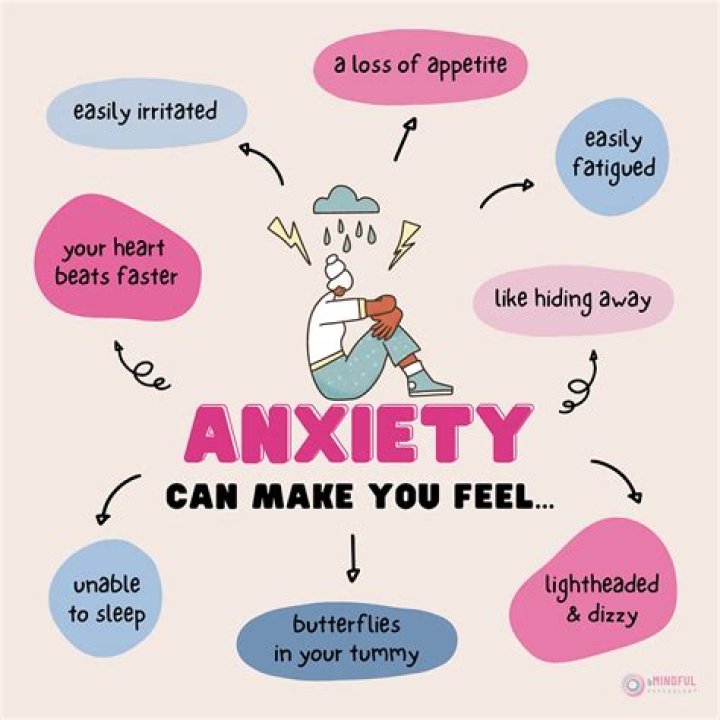
Effect of Stress on Blood VesselsResearch has shown that extended periods of anxiety can increase coagulation, which decreases the normal circulation of blood through the body and raises the risk of developing blot clots.