Similarly one may ask, what is the ICD-10 CM code for a urinary tract infection?
ICD-10 code N39. 0 for Urinary tract infection, site not specified is a medical classification as listed by WHO under the range - Diseases of the genitourinary system .
Also Know, is it a UTI or IC? IC is not an infection but a chronic inflammatory condition of the bladder lining. IC causes pain and pressure in the pelvic area and around the bladder. IC is more difficult to diagnose and treat compared to a UTI.
In respect to this, what is the ICD-10 code for urine?
Unspecified abnormal findings in urine
R82. 90 is a billable/specific ICD-10-CM code that can be used to indicate a diagnosis for reimbursement purposes.
What is Disuria?
Dysuria is pain or discomfort when you urinate (pee). It burns! Dysuria isn't about how often you go (urinary frequency), though urinary frequency often happens together with dysuria.
Related Question Answers
What can a UTI cause?
Complications of a UTI may include:- Recurrent infections, especially in women who experience two or more UTIs in a six-month period or four or more within a year.
- Permanent kidney damage from an acute or chronic kidney infection (pyelonephritis) due to an untreated UTI .
What is icd10 code for depression?
2021 ICD-10-CM Diagnosis Code F32. 9: Major depressive disorder, single episode, unspecified.What is the 10 code for GERD?
K21. 9 - Gastro-esophageal reflux disease without esophagitis | ICD-10-CM.What is inflammation of the urethra?
Urethritis is inflammation of the urethra, the tube that carries pee from the bladder out of the body. It's usually caused by an infection. The term non-gonococcal urethritis (NGU) is used when the condition is not caused by the sexually transmitted infection gonorrhoea.How do you code Staphylococcus UTI?
B95. 7 is a billable/specific ICD-10-CM code that can be used to indicate a diagnosis for reimbursement purposes.What is cystitis with hematuria?
What Is Hemorrhagic Cystitis? Hemorrhagic cystitis is the sudden onset of hematuria combined with bladder pain and irritative bladder symptoms. Hematuria is blood in the urine. The amount of blood can range from a minute amount that occurs occasionally to frank bright red blood that occurs continuously.What is the CPT code for urinalysis?
Urinalysis, Complete With Microscopic Examination With Reflex to Urine Culture, Comprehensive. CPT: 81001.Will UTI go away on its own?
Antibiotics are an effective treatment for UTIs. However, the body can often resolve minor, uncomplicated UTIs on its own without the help of antibiotics. By some estimates, 25–42 percent of uncomplicated UTI infections clear on their own.What UTI feels like?
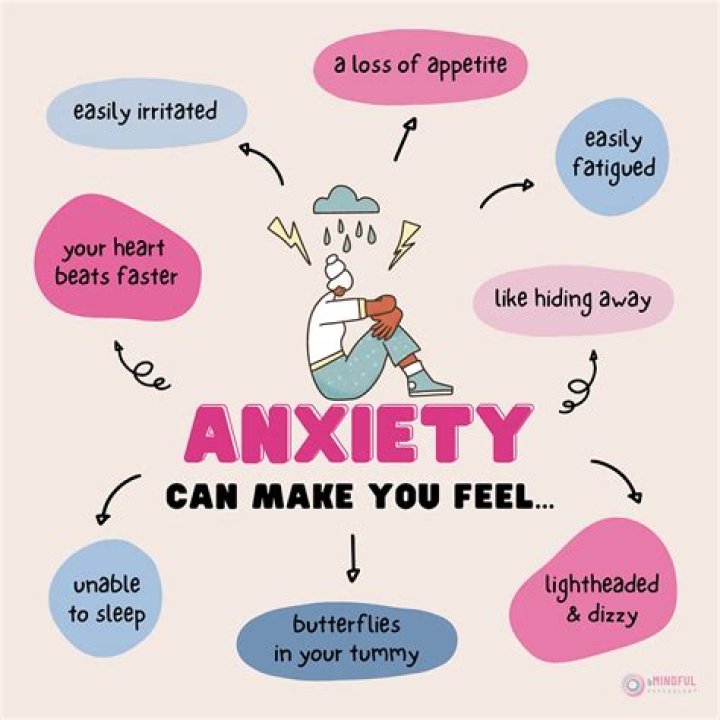
Painful Bladder Syndrome (PBS)Some people feel the need to urinate frequently or rush to get to the bathroom. The symptoms range from mild to severe and can happen sometimes or all the time. PBS is not caused by an infection, but it can feel like a bladder infection like a urinary tract infection or UTI.
How long does UTI last?
Most UTIs can be cured. Bladder infection symptoms most often go away within 24 to 48 hours after treatment begins. If you have a kidney infection, it may take 1 week or longer for symptoms to go away.Can you test for a UTI at home?
You can buy over-the-counter UTI dipstick tests at your local drugstore or online. They work much like a pregnancy test: Each kit comes with a testing strip (usually three to a kit). You wet a test strip by holding it in your urine stream for a few seconds.What is silent UTI?
“Our compromised elders, especially females often develop, "silent" urinary tract infections. These UTIs are called "silent" because they usually have no symptoms of pain, no burning, no odor, no frequency, etc. BUT there will often be profound changes in behaviors.”How long can UTI go untreated?
How long does a UTI last untreated? Some UTIs will go away on their own in as little as 1 week. However, UTIs that do not go away on their own will only get worse over time. If you think you have a UTI, speak with a doctor about the best course of action.How can you tell the difference between a UTI and IC flare?
There are 3 main differences between cystitis and UTI: Lower urinary tract infections can cause bacterial cystitis, but don't always.Symptoms of IC:
- Pelvic pain.
- Bladder pain.
- Bladder pressure.
- Bladder stiffening, scarring.
- Frequent urination.
- Urinary urgency.
- Decreased bladder capacity.
- Urinary incontinence.