Simply so, what foods cause the lower esophageal sphincter to relax?
Certain foods can relax your LES or increase stomach acid, including:
- Tomatoes.
- Citrus fruits.
- Garlic and onions.
- Chocolate.
- Coffee or caffeinated products.
- Alcohol.
- Peppermint.
Additionally, how can I relax my esophageal sphincter? Let foods and drinks that are very hot or very cold sit for a bit before eating or drinking them. Suck a peppermint lozenge. Peppermint oil is a smooth muscle relaxant and might help ease esophageal spasms. Place the peppermint lozenge under your tongue.
Then, what medications relax the esophageal sphincter?
Several common medications have been shown to relax the lower oesophageal sphincter, including benzodiazepines, calcium channel blockers, nitrates, xanthines, and most significantly b2 agonists.
How do you heal the lower esophageal sphincter?
Laparoscopic anti-reflux surgery for GERD may involve a procedure to reinforce the lower esophageal sphincter, called Nissen fundoplication. In this procedure, the surgeon wraps the top of the stomach around the lower esophagus after reducing the hiatal hernia, if present.
Related Question Answers
Can the LES heal itself?
In milder cases of GERD, lifestyle changes may allow the body to heal itself. This lowers the risk for long-term damage to the esophagus, throat, or teeth. However, sometimes lifestyle changes are not enough.What causes a weak esophageal sphincter?
When a person regularly overeats or is overweight, their stomach swells and puts a lot of extra pressure on the LES. Over time, the LES loses its shape and its strength, allowing acid to flow upward, causing further damage to the LES.How can I heal my LES naturally?
Support through Naturopathic Medicine- Eat a healthy anti-inflammatory diet.
- Try smaller meals and avoid eating late.
- Monitor trigger foods and avoid them.
- Try adding a splash of apple cider vinegar or lemon juice to your water.
- Lose weight and exercise (but not after eating)
- Don't drink alcohol or smoke,
What increases lower esophageal sphincter tone?
Antacids increase LES tone by increasing gastric pH.Does caffeine relax LES?
Caffeine has the potential to loosen or relax the LES, which can result in acid reflux.What causes the lower esophageal sphincter to relax?
The LES is composed of smooth muscles, and it maintains tonic contraction owing to myogenic as well as neurogenic factors. It relaxes due to vagally mediated inhibition involving nitric oxide as a neurotransmitter.What medications weaken the lower esophageal sphincter?
Some medications can loosen the esophageal sphincter. These include: Non-steroidal anti-inflammatory drugs (NSAIDs), such as ibuprofen and naproxen. Blood pressure or heart medications such as calcium channel blockers and nitroglycerin.Which diagnostic test detects reflux of gastric contents?
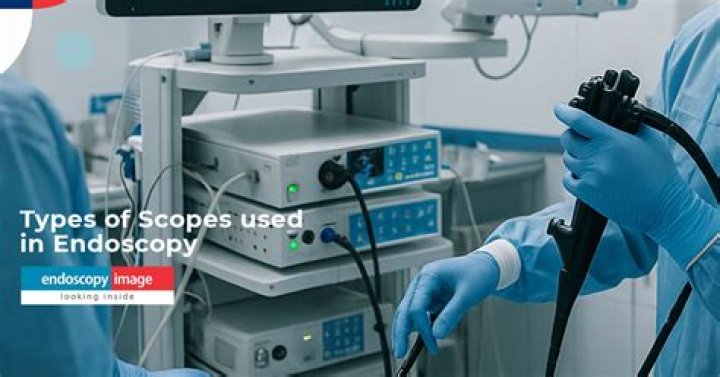
Endoscopy with biopsy is essential in diagnosing GERD. Barium swallow with or without fluoroscopy can diagnose reflux but cannot identify esophagitis. Twenty-four-hour esophageal acid-base balance (pH) testing associates reflux with symptoms and is useful in some patients.Is cisapride still available?
Cisapride is still available in the United States and Canada for use in animals, and is commonly prescribed by veterinarians to treat megacolon in cats. Cisapride is also commonly used to treat GI stasis in rabbits, sometimes in conjunction with metoclopramide (Reglan).What is the sphincter?
Listen to pronunciation. (SFINK-ter) A ring-shaped muscle that relaxes or tightens to open or close a passage or opening in the body. Examples are the anal sphincter (around the opening of the anus) and the pyloric sphincter (at the lower opening of the stomach).What painkillers can I take with acid reflux?
Avoid medicines such as aspirin, ibuprofen (Advil, Motrin), or naproxen (Aleve, Naprosyn). Take acetaminophen (Tylenol) to relieve pain. Take any of your medicines with plenty of water.What are the most common side effects of calcium channel blockers?
Side effects of calcium channel blockers may include:- Constipation.
- Dizziness.
- Fast heartbeat (palpitations)
- Fatigue.
- Flushing.
- Headache.
- Nausea.
- Rash.