Similarly, does PCOS increase risk of cancer?
Women with PCOS had a sixfold increased risk of endometrial cancer, a tripling of endocrine gland cancers, and more than a doubling in the risk of ovarian and pancreatic cancers. Once women reached menopausal status, however, their cancer risk was comparable to that of women without a history of PCOS.
Secondly, can PCOS lead to death? Women with polycystic ovary syndrome have a 36% increased risk for experiencing stroke vs. women without the condition, but they are not at increased risk for all-cause mortality, according to a meta-analysis published in Gynecological Endocrinology.
In this regard, why Does PCOS increase risk of endometrial cancer?
The major reason PCOS increases the risk of endometrial cancer is the prolonged exposure of the endometrium to unopposed estrogen caused by anovulation. This prolonged exposure can cause endometrial hyperplasia and may lead to endometrial cancer.
What are the risks of having PCOS?
Yes, studies have found links between PCOS and other health problems, including:
- Diabetes. More than half of women with PCOS will have diabetes or prediabetes (glucose intolerance) before the age of 40.
- High blood pressure.
- Unhealthy cholesterol.
- Sleep apnea.
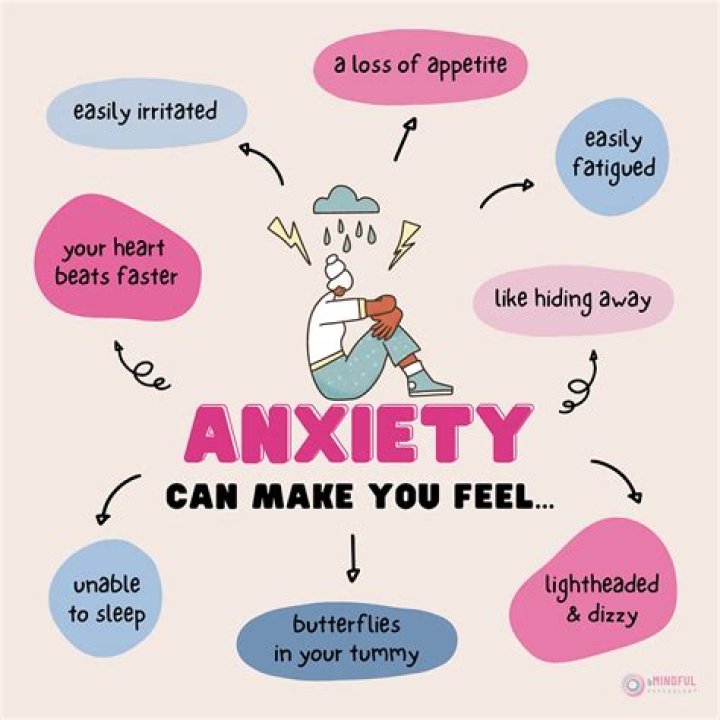
- Depression and anxiety.
- Endometrial cancer.
Related Question Answers
What are the 4 types of PCOS?
There are four types of PCOS: Insulin-resistant PCOS, Inflammatory PCOS, Hidden-cause PCOS, and Pill-induced PCOS.What happens if PCOS is untreated?
Unmanaged PCOS can impact short and long term health. It's associated with type 2 diabetes, infertility, cardiovascular disease, obesity, sleep apnea (disrupted breathing in sleep), non-alcoholic fatty liver disease, and depression (9-11). Early diagnosis and treatment can help reduce these risks significantly.How PCOS can prevent cancer?
Cancer Risk Factors & Prevention- Treat your PCOS. If left untreated, hormone levels will remain abnormal and affect your whole body and your cancer risk.
- Reach and maintain a healthy body weight. Most often, women with PCOS are obese or overweight.
- Avoid fat in your diet.
- Get regular Pap smears and pelvic exams.
What type of cancer does PCOS cause?
The American Cancer Society links untreated PCOS to the development of endometrial cancer. This type of cancer occurs when cells making up the internal lining of your uterus grow out of control.Does PCOS increase breast size?
Common symptoms include irregular or missed periods, hirsutism (hair growth on the face, chest, stomach, around the nipples, back, thumbs or toes), infertility due to lack of ovulation, decreased breast size, acne, thinning of scalp hair, and acanthosis nigricans (dark or thick skin markings and creases around theCan stress cause polycystic ovaries?
Risk Factors for PCOSResearchers believe that stress and environmental factors (including diet, exercise, and pollution) play a role in the development of PCOS. Other possible causes include excessive prenatal exposure to androgen/testosterone and excessive insulin production.
Can PCOS cause cervical cancer?
Women with PCOS appear to be three times more likely to develop endometrial cancer but are not at increased risk of breast cancer. There is insufficient evidence to implicate PCOS in the development of vaginal, vulval, cervical or ovarian cancers.Can PCOS cause thickened endometrium?
Irregular uterine bleeding from PCOS is usually due to lack of ovulation. Under this circumstance, the fragile lining of the uterus (endometrium) becomes thickened from excess estrogen and is not corrected by the monthly production of progesterone from the ovary that normally follows ovulation.Who is at high risk for uterine cancer?
If you've never been pregnant, you have a higher risk of endometrial cancer than someone who has had at least one pregnancy. Older age. As you get older, your risk of endometrial cancer increases. Endometrial cancer occurs most often after menopause.Can a PCOS patient get pregnant?
Polycystic ovarian syndrome, or PCOS, is a common hormonal condition in women. Women with PCOS can struggle to become pregnant and are at higher risk of developing complications during pregnancy. However, by managing the symptoms, many women with PCOS can become pregnant and have a healthy baby.Does PCOS lower life expectancy?
Summary: Mothers of daughters with polycystic ovary syndrome (PCOS) have a significantly increased risk of death, particularly if they also have diabetes, when compared to the general population, according to new research.Is Polycystic Ovarian Syndrome painful?
Fact: Polycystic ovaries do not cause pain. You may have other reasons for your pelvic pain. Pain in the ovary could be from ovulation or from a cyst, which should usually clear up in time. Large cysts can cause a lot of pain, however this is not related to PCO.Is PCOS a serious disease?
Yes. PCOS is underdiagnosed and undertreated. This may be because symptoms can be mild or seem unrelated. But untreated PCOS can lead to a wide range of more serious health conditions, and the symptoms of the disorder can cause significant distress.What is the main cause of PCOS?
Most of the symptoms of PCOS are caused by higher-than-normal levels of certain hormones, called androgens. The ovaries produce hormones, which are chemicals that control functions in the body.Should polycystic ovaries be removed?
Some gynecologists are recommending to women with PCOS that they have a hysterectomy to treat their condition. In some cases, the recommendation includes removing both ovaries as well. And these recommendations are to remove organs which do not contain cancerous or precancerous cells.How can I get rid of my PCOS belly?
How to Lose Weight With PCOS: 13 Helpful Tips- Reduce Your Carb Intake. Lowering your carb consumption may help manage PCOS due to carbs' impact on insulin levels.
- Get Plenty of Fiber.
- Eat Enough Protein.
- Eat Healthy Fats.
- Eat Fermented Foods.
- Practice Mindful Eating.
- Limit Processed Foods and Added Sugars.
- Reduce Inflammation.