- Corticosteroids. These powerful anti-inflammatory drugs are usually the first line treatment for sarcoidosis.
- Medications that suppress the immune system.
- Hydroxychloroquine.
- Tumor necrosis factor-alpha (TNF-alpha) inhibitors.
Herein, what vitamins help sarcoidosis?
The following supplements may be beneficial to people with sarcoidosis: Multivitamin: A daily multivitamin can help improve overall health. Probiotic Supplement: Probiotic supplements contain healthy bacteria for maintaining gastrointestinal health. Bromelain: Bromelain contains enzymes that could reduce inflammation.
Similarly, what triggers a flare up with sarcoidosis? Rarely, people with severe heart or lung disease require heart or lung transplants. You also may have sarcoidosis flare-ups, even after your disease has been inactive. While no one knows what causes sarcoidosis, it is related to increased immune system activity.
In this way, what exercises can I do with sarcoidosis?
The Exercise Challenge for Individuals with Sarcoidosis
- Try a short walk and gradually increase time, if possible. Are you having trouble starting or sticking to a routine?
- Gentle stretching, yoga, or tai chi are all great forms of exercise. If possible, work with a professional or take a class when you're getting started.
- Account for household chores and activities.
How can I improve my sarcoidosis?
Patients should aim to eat a balanced diet with plenty of fruits and veggies, whole grains, and choose lean, healthy fats. Foods rich in antioxidants are also thought to have anti-inflammatory properties, which could potentially reduce some symptoms. If you're a smoker, quit. 90% of sarcoidosis cases affect the lungs.
Related Question Answers
Should sarcoidosis patients take vitamin D?
Hypovitaminosis D seems to be related with more disease activity of sarcoidosis and, therefore, could be a potential risk factor for disease activity of sarcoidosis. Thus, vitamin D-deficient sarcoidosis patients should be supplemented.Is sarcoidosis a disability?
The Social Security Administration (SSA) does not have a specific disability listing for evaluating whether sarcoidosis has caused disability. If you have been diagnosed with sarcoidosis, you will be evaluated under the disability listing for whatever body organ is affected by the sarcoidosis.Are there any new treatments for sarcoidosis?
Leflunomide was developed as a less toxic alternative to methotrexate for patients with rheumatoid arthritis. The drug has been reported as an effective treatment for pulmonary and extrapulmonary sarcoidosis.Will CT scan show sarcoidosis?
Although sarcoidosis commonly involves the lungs, it can affect virtually any organ in the body. Computed tomography (CT), magnetic resonance imaging, and positron emission tomography/CT are useful in the diagnosis of extrapulmonary sarcoidosis, but imaging features may overlap with those of other conditions.Is walking good for sarcoidosis?
Previous research found that the 6-min walking distance (6MWD) was reduced in sarcoidosis patients compared with healthy subjects [7, 8]. Impairment of inspiratory muscle strength has been suggested as an important factor reducing 6MWD [9].Does ibuprofen help sarcoidosis?
If your sarcoidosis is causing you pain, such as muscle or joint pain, a painkiller such as ibuprofen or paracetamol can help. Treatment for sarcoidosis is aimed at improving your symptoms and preventing inflammation from causing scarring and damage to the affected parts of your body.How does vitamin D help sarcoidosis?
In doing routine blood work, many physicians will notice that the levels of the active form of vitamin D are low in sarcoidosis patients. To address this perceived issue, patients are often prescribed a supplement to increase the levels of the active form in their system resulting in kidney stones.Is coffee bad for sarcoidosis?
Conclusion: Overall, these preliminary findings suggest that caffeine consumption fails to affect the initiation or evolution of sarcoidosis, a conclusion that casts doubts on the interest of considering adenosine-based immunomodulatory strategies to manage sarcoidosis.Is sarcoidosis a serious illness?
For a small number of people, sarcoidosis is a chronic condition. In some people, the disease may result in the deterioration of the affected organ. Rarely, sarcoidosis can be fatal. Death usually is the result of complications with the lungs, heart, or brain.What is the best treatment for sarcoidosis?
Corticosteroids are the primary treatment for sarcoidosis. Treatment with corticosteroids relieves symptoms in most people within a few months. The most commonly used corticosteroids are prednisone and prednisolone. People with sarcoidosis may need to take corticosteroids for many months.What happens if sarcoidosis is left untreated?
Untreated pulmonary sarcoidosis can lead to permanent scarring in your lungs (pulmonary fibrosis), making it difficult to breathe and sometimes causing pulmonary hypertension. Eyes. Inflammation can affect almost any part of your eye and may cause damage to the retina, which can eventually cause blindness.Does exercise help sarcoidosis?
Exercise has the potential to improve symptoms of pulmonary sarcoidosis including fatigue, dyspnoea, quality of life (QOL) and exercise tolerance.Can you drink alcohol if you have sarcoidosis?
Some of the medications used to treat sarcoidosis can cause liver damage, and alcohol may exacerbate this effect. Doctors advise limiting your alcohol intake or avoiding it altogether.Can you recover from sarcoidosis?
Most people with sarcoidosis live normal lives. About 60% of people with sarcoidosis recover on their own without any treatment, 30% have persistent disease that may or may not require treatment, and up to 10% with progressive long-standing disease have serious damage to organs or tissues that can be fatal.Is sarcoidosis a compromised immune system?
Sarcoidosis is an inflammatory disease in which the immune system overreacts, causing clusters of inflamed tissue called "granulomas" to form in different organs of the body. Sarcoidosis most commonly affects the lungs and lymph nodes, but it can also affect the eyes, skin, heart and nervous system.How is sarcoidosis prevented?
Can sarcoidosis be prevented or avoided? There is no way to avoid getting sarcoidosis. If you are at higher risk for the disease, it may be better for you to avoid environmental substances that are known to trigger it. These could include insecticides, mold, or other substances.Can sarcoidosis cause weight gain?
CONCLUSIONS: The present study provides evidence that weight gain and obesity during adulthood are associated with increased sarcoidosis incidence.How do you know if your sarcoidosis is getting worse?
The most common symptoms of pulmonary sarcoidosis are shortness of breath, which often gets worse with activity; dry cough that will not go away; chest pain; and wheezing. Treatment is generally done to control symptoms or to improve the function of organs affected by the disease.How does sarcoidosis make you feel?
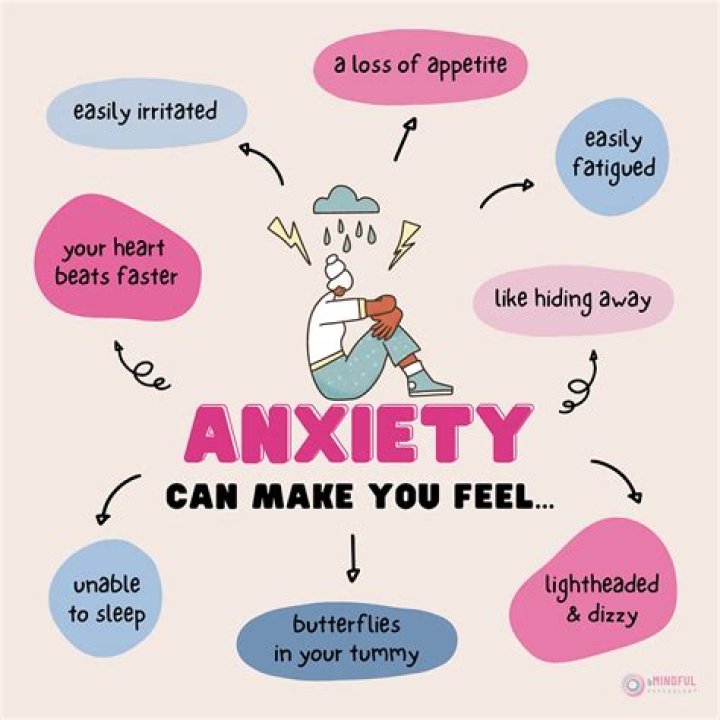
Symptoms of sarcoidosis include:tiredness. feeling ill or feverish. red, painful eyes with impaired eyesight. painful red lumps on your shins.
Does sarcoidosis affect memory?
Patients suffering from sarcoidosis often report cognitive complaints, such as memory loss, concentration problems and other mental problems.How long does a sarcoidosis flare up last?
acute sarcoidosis can last for just a few weeks or months. chronic (or long-term) sarcoidosis can last for years, but might not get any worse.Can stress cause sarcoidosis to flare up?
The researchers from the Institute of Pulmonary Diseases in Belgrade, Serbia, concluded that “psychological stressors may influence the development and expression of sarcoidosis.”What is end stage sarcoidosis?
Abstract. Pulmonary fibrosis is an unusual "end stage" in patients with sarcoidosis. Fibrosis occurs in a minority of patients, and presents with a unique physiologic combination of airways dysfunction (obstruction) superimposed on the more common restrictive dysfunction.How long can you live with Stage 4 Sarcoidosis?
Survival was 91.5% at 5 yrs, 84.1% at 10 yrs and 78.1% at 15 yrs, which was significantly poorer than for the general population (HR 3.6, 95% CI 2.9–4.3; p=0.013) (fig. 1). Comparison of survival between patients with radiographic stage IV disease and a matched French general population (n=142).What do sarcoid lesions look like?
Smooth bumps or growthsThe medical name is papular sarcoidosis. Mostly painless, these bumps and growths tend to develop on the face or neck, and often appear around the eyes. You may see lesions that are skin-colored, red, reddish-brown, violet, or another color.
Why does sarcoidosis cause fatigue?
Causes of fatigue in sarcoidosisThe condition is characterized by an overwhelming amount of inflammatory chemicals such as tumor necrosis factor (TNF)-α, interleukin-6, and interferon-γ present in the blood. Studies suggest that high levels of these chemicals may cause patients to feel extremely tired.