Then, what is CNS workout?
Central nervous system fatigue, or central fatigue, is a form of fatigue that is associated with changes in the synaptic concentration of neurotransmitters within the central nervous system (CNS; including the brain and spinal cord) which affects exercise performance and muscle function and cannot be explained by
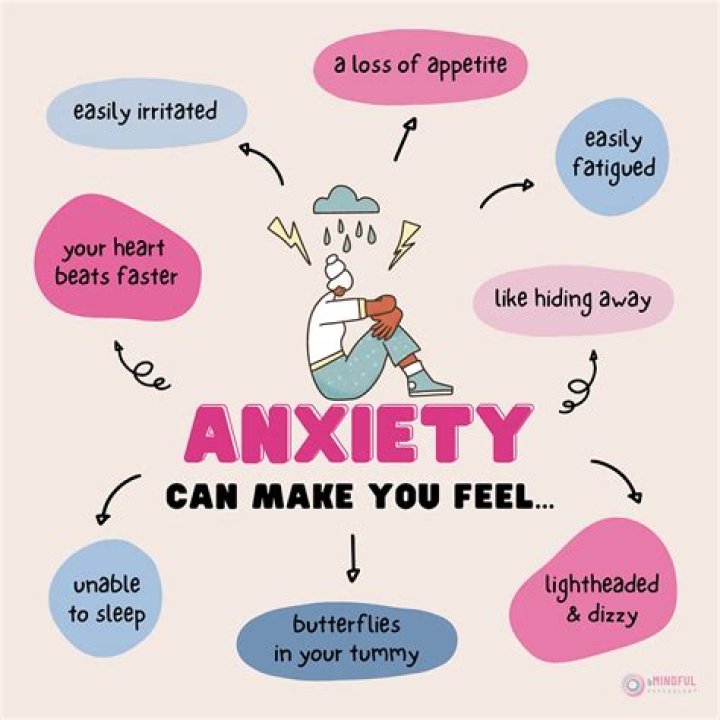
One may also ask, what does CNS fatigue feel like? When you are suffering from CNS fatigue, you struggle to engage certain muscles. You may feel physically able to complete tasks (e.g. your training program), but CNS fatigue prevents you from doing so.
Thereof, how long does it take for CNS to heal?
Recovery from CNS work requires at least 48 hours before a similar dose. During this period, the athlete should undergo recovery strategies to restore homeostasis.
How do you strengthen your CNS?
It is one of the best ways of fortifying the health of the central nervous system. Exposing yourself to the sunlight every morning for about 10 minutes is enough to boost your body's nervous system, and at the same time, obtain enough vitamin D. Meditating is a smart way of calming and soothing your nerves.
Related Question Answers
How do you know if your CNS is overtrained?
Signs and Symptoms- Washed-out feeling, tired, drained, lack of energy.
- Mild leg soreness, general aches, and pains.
- Pain in muscles and joints.
- Sudden drop in performance.
- Insomnia.
- Headaches.
- Decreased immunity (increased number of colds, and sore throats)
- Decrease in training capacity/intensity.
How do you fix CNS fatigue?
Rest is the first and most important way to overcome CNS fatigue. Sleep helps your body recover and promotes muscle growth, which ensures your workouts remain effective. In addition to getting enough sleep each night, you'll also want to schedule adequate down time between workout sessions.How can I speed up my CNS recovery?
Simple things like exercise intensity inclusive of frequency, nutrition, sleep quality, alcohol intake, and even our lifestyle stress all play a part in how we recover. Keep in mind, when your CNS is fatigued from high-intensity efforts or too much stress, it needs as much as 48 hours to fully recover.Which exercise is good for nervous system?
Walking, running, jogging, swimming, and bicycling are some exercises that can be helpful in keeping the nervous system healthy. You can always talk to your doctor about exercises that will be right for you. An Epsom salt bath is also good for your nervous system. It helps muscles and nerves function properly.What does CNS mean?
Central nervous systemWhat are signs of CNS depression?
Symptoms may include:- feeling sleepy and uncoordinated,
- staggering,
- blurred vision,
- impaired thinking,
- slurred speech,
- impaired perception of time and space,
- slowed reflexes and breathing, and.
- reduced sensitivity to pain.