Simply so, what is parturition in biology?
Parturition: Childbirth, the process of delivering the baby and placenta from the uterus to the vagina to the outside world. Also called labor and delivery. Parturition comes from the Latin parturire, "to be ready to bear young" and is related to partus, the past participle of parere, "to produce."
Similarly, what is gestation and parturition? Gestation and Parturition. The period of developing the embryo to its foetus stage is known as gestation period. Parturition refers to the process where the fully grown embryo known as foetus is expelled from the mothers womb after the gestation period it refers to giving birth to the baby.
Correspondingly, what are the signs of parturition?
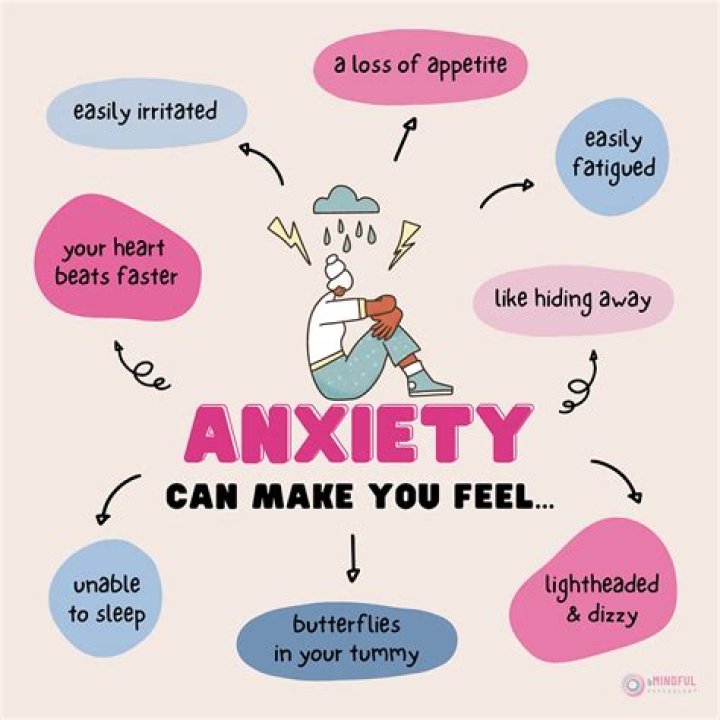
The signs of Parturition includes:
- Bloated abdomen.
- Development of mammary glands along with milk secretion.
- Fully swollen vulva and relaxed pelvic ligaments.
- Mucous discharge.
- Feeling relentlessness.
- Labour and Contractions.
Which hormones are involved in parturition?
It is induced by a complex neuroendocrine mechanism. Hormones involved in the induction of parturition are oxytocin and relaxin.
Related Question Answers
What are the 3 stages of birth called?
There are three of these stages: The dilation stage: this begins when true labor starts. The expulsion stage, which ends in parturition, or the birth of the baby. The placental stage, which, as you may be able to guess, is the expulsion of the placenta from the uterus.What are the 3 stages of parturition?
The 3 Stages of Parturition: Dilation, Expulsion, and Placental.What triggers parturition?
The foetus initiates parturition. For parturition to occur, progesterone production by the corpus luteum must be terminated. As the foetus grows in a restrictive environment, it becomes stressed. The rise in ACTH causes production of cortisol from the foetal adrenal glands.How does parturition occur?
Parturition, the process of childbirth, occurs approximately 38 weeks after fertilization (Figure 1). The process of childbirth consists of three distinct stages of labor. The first, the stage of dilation, begins with the onset of regular, hard contractions of the uterus and ends with complete dilation of the cervix.What hormones cause milk production?
Hormonal control of milk production. There are two hormones that directly affect breastfeeding: prolactin and oxytocin. A number of other hormones, such as oestrogen, are involved indirectly in lactation (2). When a baby suckles at the breast, sensory impulses pass from the nipple to the brain.What is the labor hormone?
Oxytocin is often known as the "hormone of love" because it is involved with lovemaking, fertility, contractions during labor and birth and the release of milk in breastfeeding. It helps us feel good, and it triggers nurturing feelings and behaviors.How many stages of birth are there?
Labor is divided into three stages. First stage: This starts with contractions and your cervix dilating and ends when your cervix is fully open. This stage is further broken down into latent phase and active phase. In early labor, your contractions are regular, but still quite far apart.Where does the umbilical cord connect?
The umbilical cord connects to the baby's abdomen from the placenta, which in turn is connected to the mother's uterus. The placenta is responsible for producing pregnancy hormones, as well as hosting important nutritional exchanges between the mother and baby's blood supply.Do you poop a lot before going into labor?
Poop happens in labor in tandem with all those contractions as a natural way to clean house in preparation for baby. Poop happens while pushing the baby out too and there's nothing you can do about it. If you're pushing that hard with no actual poop coming out—it's probably baby pressure not poop pressure.Does baby move alot before labor?
In first time pregnancies, lightening may occur several weeks or just a few hours before the onset of labor. Activity of baby - The baby may become slightly less active as labor approaches. You should still feel the baby move several times an hour - if you don't, call your health care provider immediately.How do you feel right before labor?
Early real labor contractions could feel like strong menstrual cramps, stomach upset or lower abdominal pressure. Pain could be in the lower abdomen or both there and the lower back, and it could radiate down into the legs.Can you be in labor and not know?
It's very unlikely that you will suddenly go into labor without warning. Your body will let you know that you're close to the big day, so you can make sure your hospital bag is packed, and be ready to go to the hospital when the time is right.How do you feel 24 hours before labor?
After your baby drops, your abdomen appears lower. As your baby moves down, you might feel pressure in your pelvic area, experience backaches, and have to urinate more often. Loose bowel movements can happen 24–48 hours before labor. Nesting is a spurt of energy some women may experience before labor begins.Do Braxton Hicks feel like you have to poop?
During the pushing stage, you will most often feel a strong expulsion sensation with (and sometimes between) contractions, a feeling very much like having to poop. It's not uncommon for contractions to slow down quite a bit during this time, allowing rest in between.What time of day do horses give birth?
Mares tend to foal late at night or early in the morning--the most tranquil time of day with the least intrusions. In the wild, mares typically give birth when it is dark to hide their vulnerable foals for the few hours it takes them to become physically able to rise and flee from predators.Is gas a sign of labor?
Gas. It's a normal bodily function, and while in labor, your stress, hormones and contractions irritate your bowels and make you gassy. Most likely, you'll find us acting like it never happened.What are the symptoms of delivery in 9th month?
Nine Months Pregnant: Common Symptoms- Frequent urination.
- Mucus plug being expelled.
- Increased vaginal discharge.
- Backache.
- Itchy skin.
- Pelvic pressure.
- Lightening' — your baby drops lower, which makes it easier to breathe.