The short-term effects of exercise on the skeletal system include the increased production of synovial fluid within joints. This reduces the impact of exercise on the joint and helps to increase the range of movement ('rom'). This is the reason why we participate in a warm up prior to exercise.
Similarly, what is the short term effect of exercise?
Immediate effects of exercise on the body systems
| Short term effects of exercise | |
|---|---|
| Respiratory system | Increase in breathing rate; increase in tidal volume |
| Cardio-respiratory system | Increase in oxygen uptake; increase in carbon dioxide removal |
| Energy system | Increase in lactate production |
Also Know, what are the short term effects of exercise on the nervous system? Short term effects of exercise on the neuromuscular system
- Increased blood flow to working muscles. Blood is redirected to the muscles that have a greater demand for oxygen and nutrients.
- Increase in temperature. Blood also carries heat so the working muscles become warmer.
- Increase in pliability. Muscles are a bit like blue tack!
- Increased nerve to muscle connection.
Beside this, what are the effects of exercise over skeletal system?
Osteoblast activity increases when you exercise, so your bones will become stronger the more exercise you do. This means your bone calcium stores increase to cope with the demand for calcium, so exercising also reduces the risk of osteoporosis.
What are the 3 immediate effects of exercise?
Immediate effects of exercise on the body systems
- When a person takes part in exercise the cardiovascular, respiratory, energy and muscular systems all work together to supply energy to the working muscles and remove waste products.
- When the muscles start to work, they need more oxygen so the respiratory system responds by getting more oxygen into the lungs.
Related Question Answers
What are the short term benefits of exercise?
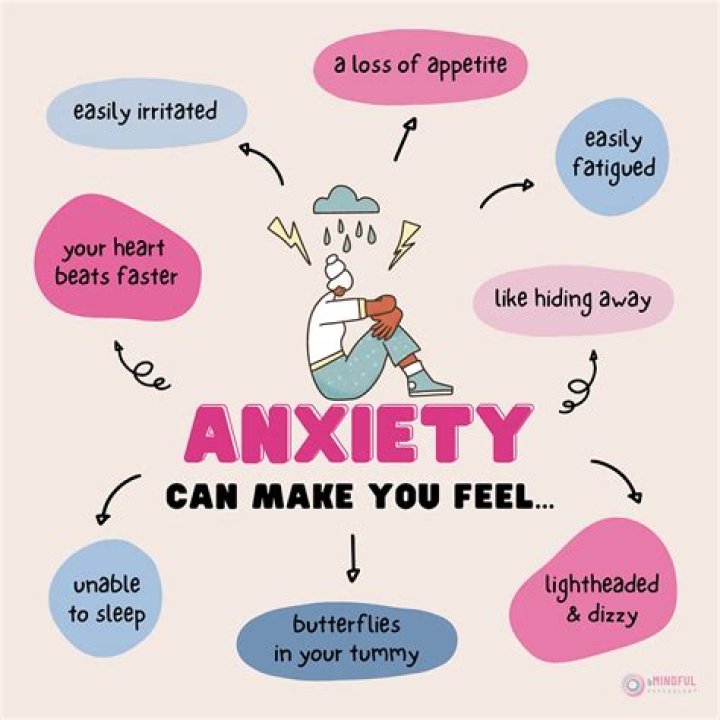
Here are some of the short and long term effects of exercising:- Exercise helps to fight depression and anxiety.
- It can improve your mental acuity.
- Make you feel energised!
- Improve your quality of life.
- Maintain a healthy weight.
- Decreased blood pressure.
- Increased libido.
- Better sleep.
What are the short term effects of not exercising?
Coronary Heart Disease, strokes, high blood pressure, breathlessness, flabby body, little energy, stiff joints, osteoporosis, poor posture, overweight. Lack of energy for your sexual relationship; lack of energy for your children and grandchildren; a poor role model.Why is exercise important?
Physical activity or exercise can improve your health and reduce the risk of developing several diseases like type 2 diabetes, cancer and cardiovascular disease. Physical activity and exercise can have immediate and long-term health benefits. Most importantly, regular activity can improve your quality of life.What are the positive effects of exercise?
The Top 10 Benefits of Regular Exercise- It Can Make You Feel Happier.
- It Can Help With Weight Loss.
- It Is Good for Your Muscles and Bones.
- It Can Increase Your Energy Levels.
- It Can Reduce Your Risk of Chronic Disease.
- It Can Help Skin Health.
- It Can Help Your Brain Health and Memory.
- It Can Help With Relaxation and Sleep Quality.
What is the long term effects of exercise?
Overall health improves with exercise Reduce risk of cardiovascular disease, type 2 diabetes, metabolic syndrome and some cancers. Strengthen bones and muscles. Improve mental health and mood. Improve your ability to do daily activities and prevent falls.What happens to your body after exercise?
When you exercise, blood is pumped into the muscles you're working out, increasing blood flow and oxygen levels. While working out, your muscles tear, your heart rate rises, and your body sends more blood and energy to certain areas that need it.What is the longest bone in the body?
- The femur (/ˈfiːm?r/, pl.
- The femur is the only bone in the upper leg.
- In the condition genu valgum (knock knee) the femurs converge so much that the knees touch one another.
- The femur is the longest and, by some measures, the strongest bone in the human body.