Similarly, what term means blood destruction?
Hemolytic anemia is a disorder in which red blood cells are destroyed faster than they can be made. The destruction of red blood cells is called hemolysis. Red blood cells carry oxygen to all parts of your body. If you have a lower than normal amount of red blood cells, you have anemia.
Furthermore, which term means blood destruction quizlet? Both A and C (hemolytic and hemolysis) Only $2.99/month.
Then, what are common blood diseases?
Common blood disorders include anemia, bleeding disorders such as hemophilia, blood clots, and blood cancers such as leukemia, lymphoma, and myeloma.
What are the symptoms of a blood disorder?
Symptoms of Blood Disorders
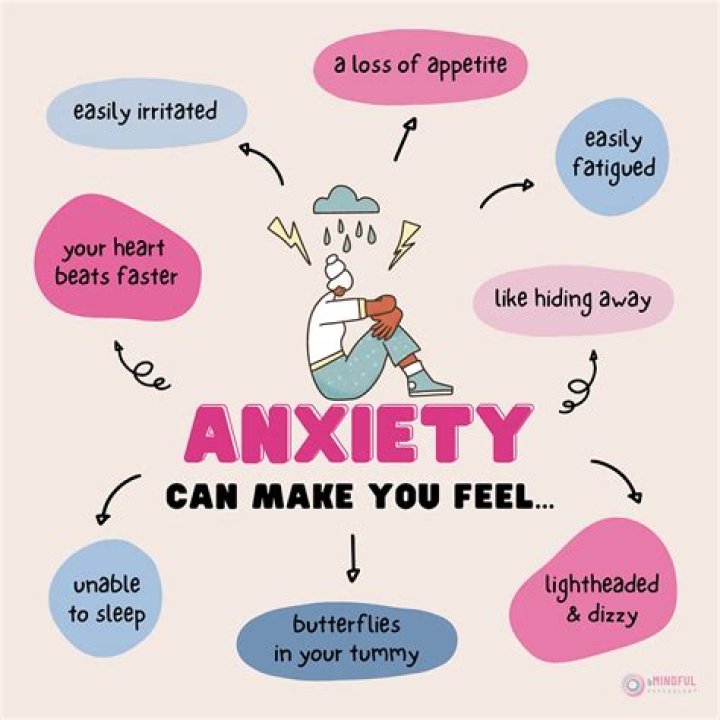
- Decreased red blood cells and hemoglobin can cause symptoms of anemia, such as fatigue, weakness, and shortness of breath.
- Decreased white blood cells or immune system proteins can cause recurrent fever and infections.
- Decreased platelets or blood clotting factors can cause abnormal bleeding and bruising.
Related Question Answers
What organ destroys red blood cells?
What Is the Purpose of a Spleen? As you've seen, your spleen is often on the "front lines" of your body; in fact, your spleen is a busy organ – especially considering its small size. Your spleen's main function is to act as a filter for your blood. It recognizes and removes old, malformed, or damaged red blood cells.What kills your red blood cells?
Red blood cells may be destroyed due to: An autoimmune problem in which the immune system mistakenly sees your own red blood cells as foreign substances and destroys them. Genetic defects within the red cells (such as sickle cell anemia, thalassemia, and G6PD deficiency)What causes blood to Hemolyze in tubes?
Hemolysis resulting from phlebotomy may be caused by incorrect needle size, improper tube mixing, incorrect filling of tubes, excessive suction, prolonged tourniquet, and difficult collection.Does the liver destroy red blood cells?
(Destruction of red blood cells is called hemolysis.) As a result, the bone marrow must work harder than usual to replace these cells. Usually in hemolytic anemia, the bone marrow makes and releases red blood cells as it normally would, but these cells are later destroyed in the bloodstream, spleen, or liver.What diseases are associated with red blood cells?
Illnesses affecting red blood cells:- Iron-deficiency anemia. To make red blood cells, iron is required.
- Sickle cell anemia.
- Normocytic anemia.
- Haemolytic anemia.
- Fanconi anemia.
- Pernicious anemia.
- Thalassemia.
- Polycythemia Vera.
How are old red blood cells removed from the body?
Old or damaged RBCs are removed from the circulation by macrophages in the spleen and liver, and the hemoglobin they contain is broken down into heme and globin. The globin protein may be recycled, or broken down further to its constituent amino acids, which may be recycled or metabolized.Why does your body quit making blood?
Bone marrow failure happens when the marrow doesn't produce enough red cells, white cells or platelets, or the blood cells that are produced are damaged or defective. This means the body can not supply itself with the blood it needs. Aplastic anemia, MDS and PNH are bone marrow failure diseases.What's the most common type of anemia?
Iron deficiency anemia.This most common type of anemia is caused by a shortage of iron in your body. Your bone marrow needs iron to make hemoglobin.
Are blood disorders curable?
The plasma cells multiply and release damaging substances that eventually cause organ damage. Multiple myeloma has no cure, but stem cell transplant and/or chemotherapy can allow many people to live for years with the condition. Myelodysplastic syndrome: A family of blood cancers that affect the bone marrow.What is the rarest blood disease?
Fortunately, even the rarest blood diseases are treatable. 1. Aplastic Anemia. Fewer than 1,000 people per year are diagnosed with aplastic anemia in the United States.How are blood disorders treated?
Treatment optionsGrowth factors to stimulate blood cell production. Steroids or other drugs to suppress your immune system. Chemotherapy to destroy abnormal cells. Transfusions to support you with healthy blood cells.
How do you get a blood infection?
Your blood can get infected when germs such as bacteria, or sometimes viruses or fungus, get into the bloodstream. This can happen when you have an IV catheter in place, or you get a shot into a blood vessel, or a blood transfusion. Sepsis is the medical term for an infection of the blood.What disease affects the white blood cells?
Leukemia. Leukemia is blood cancer in which malignant white blood cells multiply inside your body's bone marrow.What are the symptoms if your blood is too thin?
Other signs of thin blood include nosebleeds and abnormally heavy menstrual flow. Thin blood can also cause bruises to appear under the skin. A minor bump can cause the tiny blood vessels under the skin to bleed. This can result in purpura, which are small purple, red, or brown bruises.Are blood disorders hereditary?
Hematology - Genetic Blood Disorders. some serious disease. There are several related abnormal hemoglobin diseases, such as sickle cell anemia and thalassemia. Such diseases can be transmitted from parents to children by genes on chromosomes.Which term means too few white blood cells quizlet?
Which term means too few white blood cells? leukopenia. You just studied 49 terms!What term means hardening of the arteries?
AtherosclerosisWhich medical term means inflammation of appendix?
AppendicitisWhich blood cell is excessively elevated in a person who has polycythemia?
In polycythemia vera, the excess of red blood cells increases the volume of blood and makes it thicker, so that it flows less easily through small blood vessels. Polycythemia vera occurs in about 2 in every 100,000 people.What abbreviation stands for High BP?
Appendix B: Some Common Abbreviations| Abbreviation | Stands for | More information |
|---|---|---|
| HIV | Human immunodeficiency virus | The virus that causes AIDS |
| HPV | Human papilloma virus | A virus that causes cervical cancer |
| HRT | Hormone replacement therapy | Hormones supplements that women may take |
| HTN | Hypertension | High blood pressure |