Correspondingly, what do brain cancer patients die from?
In 40 patients (73%), the presumed cause of death was brain herniation due to tumor progression. For 4 other patients, the cause of death was directly tumor-related; these patients died following a seizure (3 patients) or a hemorrhage in the tumor (1 patient).
Subsequently, question is, what Kennedy died of brain cancer? Kennedy died on August 25, 2009 of a malignant brain tumor at his home in Hyannis Port, Massachusetts, and was buried near his brothers John and Robert at Arlington National Cemetery.
Besides, who died of glioblastoma?
25. He was 81 years old. Senator John McCain died today, Aug. 25 at 4:28 p.m., at his home in Arizona after more than a year-long fight with glioblastoma (GBM), an aggressive form of brain cancer.
How long can you live with brain cancer?
Reports of survival rate or life expectancy greater that five years (which is considered to be long-term survival) vary from less than about 5% to a high of 86%, no matter what treatment plan is used; recovery (cure) from brain cancer is possible, but realistically, complete recovery does not occur often.
Related Question Answers
Is dying from brain cancer painful?
There are treatments that may improve symptoms and prolong life, but unfortunately, cancer involving the brain will frequently lead to the patient's eventual death. Some of the major concerns of patients as they face the end stages of their illness include uncontrolled symptoms and feeling as though they are a burden.Can you survive stage 4 brain cancer?
Glioblastoma survival The average survival time is 12-18 months - only 25% of glioblastoma patients survive more than one year, and only 5% of patients survive more than five years. Read more about glioblastoma brain tumour treatments.What is end stage brain cancer like?
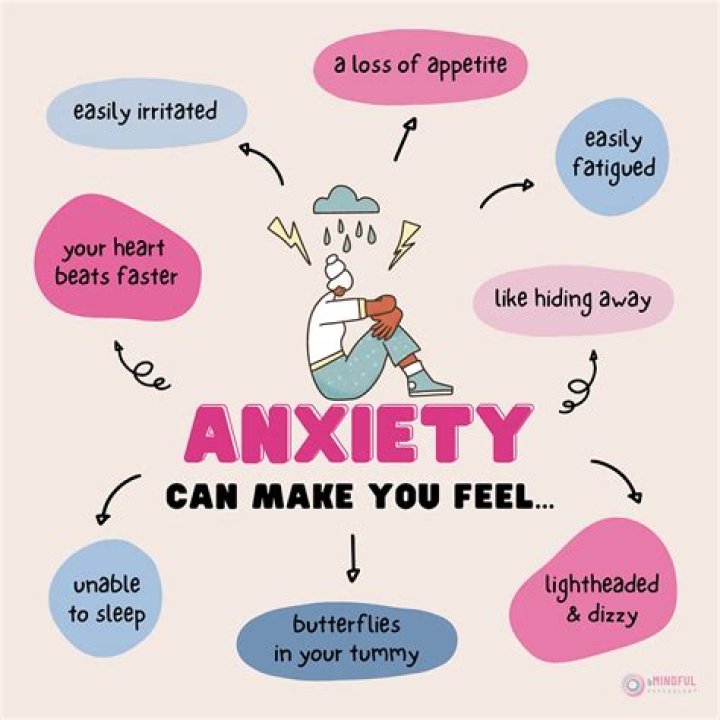
Urinary incontinence has not been described in former reports concerning the end-of-life phase of brain tumor patients. The main symptoms reported in terminally ill cancer patients are fatigue and anorexia, followed by pain, nausea, constipation, delirium, and dyspnea.What are the final stages of cancer?
Symptoms During the Final Months, Weeks, and Days of Life- Delirium. Delirium can have many causes at the end of life.
- Fatigue. Fatigue is one of the most common symptoms in the last days of life.
- Shortness of Breath.
- Pain.
- Cough.
- Constipation.
- Trouble Swallowing.
- Death Rattle.
Can Stage 4 brain tumor be cured?
I am so sorry to hear about your friend's predicament. Incurable means just what it says on the tin - they cannot cure the cancer, but they can use chemo to try and reduce the size of the tumours and slow the rate of growth. Unfortunately, no one can predict life expectancy.What are some signs that death is near?
How to tell if death is near- Decreasing appetite. Share on Pinterest A decreased appetite may be a sign that death is near.
- Sleeping more.
- Becoming less social.
- Changing vital signs.
- Changing toilet habits.
- Weakening muscles.
- Dropping body temperature.
- Experiencing confusion.
What does dying from cancer look like?
The dying person will feel weak and sleep a lot. When death is very near, you might notice some physical changes such as changes in breathing, loss of bladder and bowel control and unconsciousness.What are 5 physical signs of impending death?
Five Physical Signs that Death is Nearing- Loss of Appetite. As the body shuts down, energy needs decline.
- Increased Physical Weakness.
- Labored Breathing.
- Changes in Urination.
- Swelling to Feet, Ankles and Hands.
Has anyone ever survived a glioblastoma?
According to their systematic review, 0.71% of all glioblastoma patients have a survival longer than 10 years. Moreover, the authors found a relationship between age at diagnosis and overall survival (OS), for every 4.7 years younger age at diagnosis the OS was one year longer after 10 years of survival.What are the end stages of glioblastoma?
These symptoms include drowsiness, headaches, cognitive and personality changes, poor communication, seizures, delirium (confusion and difficulty thinking), focal neurological symptoms, and dysphagia. Some patients may have several of these symptoms, while others may have none.Is glioblastoma a death sentence?
Glioblastoma is the most common and most aggressive type of malignant primary brain tumor. Despite its reputation, a glioblastoma diagnosis is not necessarily a death sentence, thanks to significant medical advancements in recent years.How do GBM patients die?
For 4 other patients, the cause of death was directly tumor-related; these patients died following a seizure (3 patients) or a hemorrhage in the tumor (1 patient).Is there pain with glioblastoma?
Glioblastoma Headaches: Different From Other Headaches Headaches occur in about 50 percent of glioblastoma patients. Pain is persistent and symptoms are not like a migraine headache. Vomiting may happen along with the headache. Throbbing may be present, but this varies with the tumor's location.What stage of cancer is glioblastoma?
Glioblastoma, sometimes referred to as glioblastoma multiforme (GBM), is considered a grade IV tumor. They are the most aggressive and are very infiltrative -- they spread into other parts of the brain quickly.Does radiation shrink glioblastoma?
During radiation therapy for glioblastoma, X-rays, gamma rays or photons are aimed at a tumor to destroy the cancerous cells. As cancerous cells are destroyed and eliminated by the body's immune system, the tumor shrinks; this helps alleviate pressure on the brain.How long can you live with glioblastoma stage 4?
Survival rates and life expectancy The median survival time with glioblastoma is 15 to 16 months in people who get surgery, chemotherapy, and radiation treatment. Median means half of all patients with this tumor survive to this length of time.How long can you live with a grade 4 brain Tumour?
The average survival time is 12-18 months - only 25% of glioblastoma patients survive more than one year, and only 5% of patients survive more than five years. Read more about glioblastoma brain tumour treatments.What is the best treatment for brain cancer?
Brain Tumor Treatments- Surgery. Surgery is the usual treatment for most brain tumors.
- Radiation therapy. Radiation therapy, also called radiotherapy, is the use of high-powered rays to damage cancer cells and stop them from growing.
- Chemotherapy.
- Treatments we specialize in.